













Measure your cat stress risk level !

Before visiting the Feliway website, were you already aware of Feliway?

Stressful situations for cats

Cats are not naturally suited to our modern lifestyles. There are many situations and events which can be potentially stressful. The most important ones are listed below.

Changes in the environment 

Any change in your cat's environment may cause him stress.  Read more...

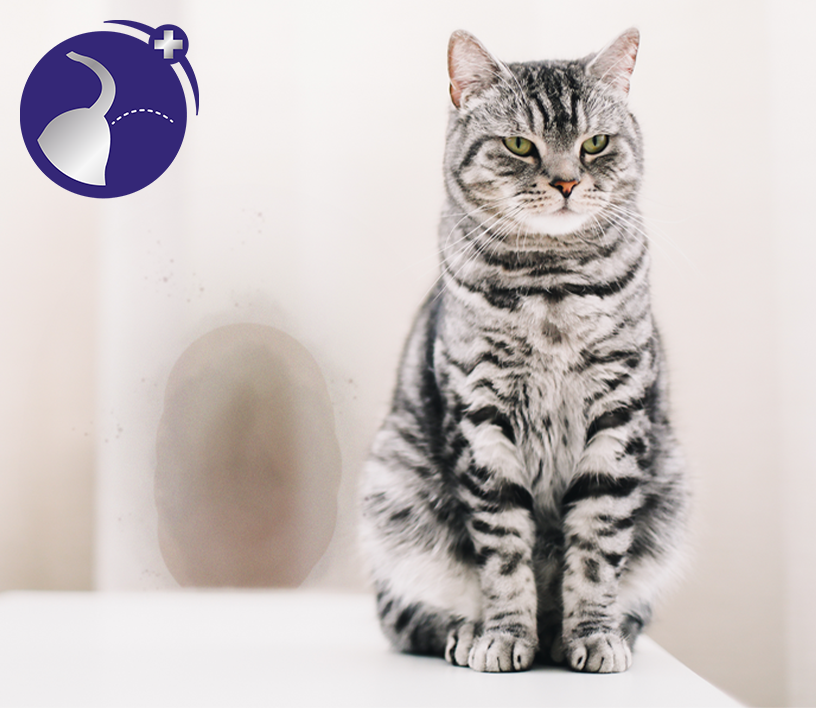
Moving house can be particularly stressful for cats. Here, your cat is placed in a totally new environment. Even small changes which may be unnoticeable to you can be very stressful for your cat. Moving old furniture, redecorating or even buying new furniture all interfere with or move the marks left by the cat.

Changes in the people living in the household can also be a potential source of stress for your cat. Friends visiting, a new baby or a new pet (dog, cat etc..) can all cause distress.

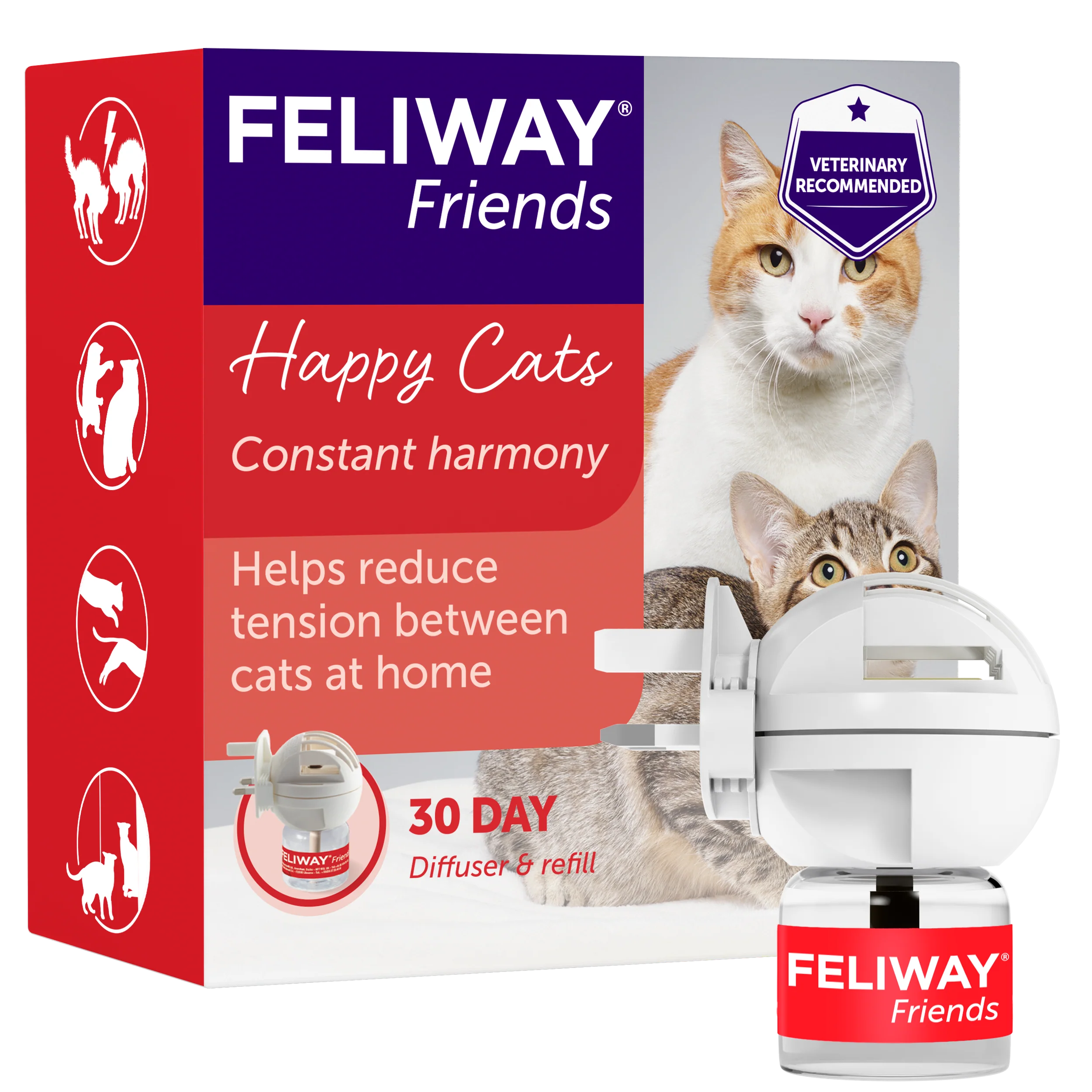
Multicat households 

In a multicat household, cats have to share their territory with other cats. This is a most unnatural behaviour for cats, who are not naturally inclined to develop social contacts.  Read more...

Sharing their territory means losing control of resources, which is a fundamental need for cats. For example, cats living together often have their food bowls in the same location. If one cat doesn’t want to come into contact with another individual, he may be forced to wait until the other cat has eaten.

As a result both cats may eat quickly or change the amount they eat in one go. In some instances a cat may not feel comfortable enough to approach the feeding station at all and may go hungry or over-eat to prevent the other animal eating 'his' food.

A similar situation may be seen around the litter tray. During the elimination process, cats need privacy. Most will not feel comfortable enough to use a tray in a room other cats can enter at any time. They don’t want to be surprised by the other cat(s) in the elimination area. Consequently, they visit the litter tray as infrequently as possible and eliminate as quickly as they can, thus leading to inappropriate elimination (house-soiling) or potential medical conditions.

Hospitalisation / Returning home  

Both Hospitalisation and returning back to the home can cause a cat considerable distress. During a stay at the veterinary practice cats are required to stay in a cage, are often not able to hide, are manipulated and restrained by strangers and forced to share an environment with many other pets, including dogs.   Read more...

In addition to dealing with this stressful new environment, depending on the reason for the stay in the vet clinic, the cat may be in pain or feel unwell which adds to the distress.

Once the cat returns home, things may not improve. While the cat has been at the vets, his reassuring marks may have disappeared from the walls and furniture and/or been replaced by those of the other cats. As a result, when he comes back home, even if the cat “visually” recognises his territory, without the facial marks, he will feel lost. Similarly, other cats in the household may not 'recognise' him, as he may smell and/or look different (due to bandages, elizabethan collar, etc...).